


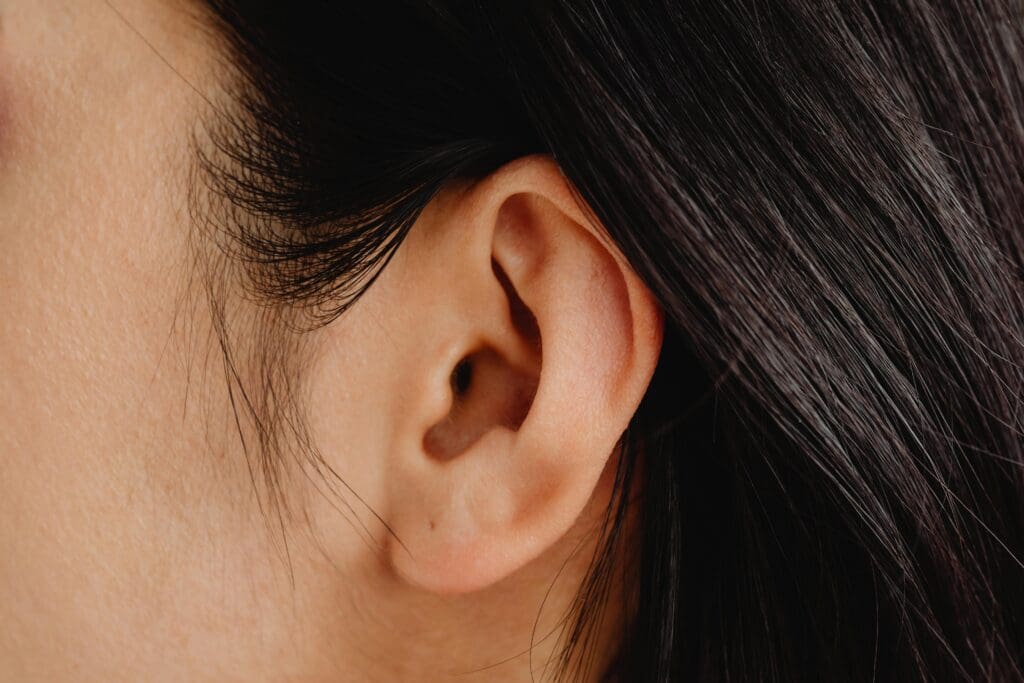
Are You Hearing Your Heartbeat in Your Ear?
If you’ve ever heard a rhythmic “whooshing” or pulsing sound in your ear, you might be experiencing pulsatile tinnitus. This condition is different from the continuous ringing or buzzing sounds people typically associate with tinnitus. Instead, pulsatile tinnitus is tied to your heartbeat, creating a rhythmic noise that can feel like a swish, pump, or rush of blood.
The sound may occur in one ear or both and is often more noticeable in quiet settings, like when you’re trying to fall asleep. For some, the noise comes and goes, while for others, it’s a constant companion. But one thing’s for sure—if you’re hearing your heartbeat in your ear, you’re likely looking for answers.
How Can I Be Sure It’s Pulsatile Tinnitus?
Pulsatile tinnitus can often be confirmed by matching the sound in your ear to your pulse. The connection between the two makes this type of tinnitus unique.
While many turn to sound therapy, like white noise machines or gentle music, for temporary relief, the best long-term solution is to identify and treat the underlying cause.
What Causes Pulsatile Tinnitus?
Pulsatile tinnitus occurs when blood flow in vessels near the ear is altered. This can be due to:
- Generalized increased blood flow: Linked to conditions like pregnancy, anemia, hyperthyroidism, or even strenuous exercise.
- Localized turbulent blood flow: Caused by narrowed or irregular blood vessels near the ear.
- Thinning of the bony barrier that envelopes the hearing organ: allowing for the ear to hear the normal blood flow that it ordinarily does not perceive
- Idiopathic intracranial hypertension (pseudotumor cerebri): A condition often found in younger, overweight individuals but can occur in anyone. It’s associated with headaches, visual disturbances, and pulsatile tinnitus.
Other causes include heart valve issues, vascular malformations, or even rare conditions like a tumor pressing on nearby vessels.
Why Is Imaging So Important?
To uncover the root cause of pulsatile tinnitus, imaging is critical. Specialists often recommend MR imaging, CT imaging or a brain angiogram to examine blood vessels near the ear. Blood tests may also help rule out anemia or thyroid issues, while an ENT doctor can check for other ear-related conditions.
What Are the Treatment Options?
With pulsatile tinnitus, there’s a higher chance of identifying a specific cause compared to other forms of tinnitus—and that means targeted treatments are possible.
- Sound therapy: Apps, sound machines, or hearing aids with soothing tones can help make the noise less intrusive, especially at night.
- Treating underlying conditions: Addressing anemia, thyroid disease, or high blood pressure may reduce symptoms.
- Venous stenting: For cases involving narrowed veins, this minimally invasive procedure restores normal blood flow and eliminates the pulsing sound


